
: Opportunities, Challenges, and Future Pathways
Green Investment in the Middle East with a Focus on Iran
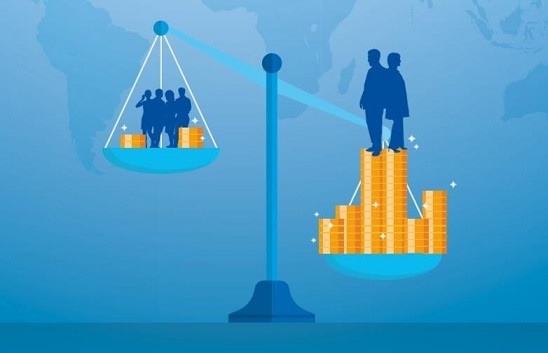
IFNN-In recent years, green investment has emerged as one of the most important drivers of sustainable economic development worldwide. The Middle East, particularly countries traditionally dependent on fossil fuels, is now at a critical turning point. Iran, with its vast natural resources, strategic location, and human capital, possesses significant potential to play a meaningful role in the transition toward a green economy. This article examines the concept of green investment, its relevance to the Middle East, and the specific opportunities and challenges facing Iran in this evolving landscape.
The Concept of Green Investment in the Middle Eastern Context
Green investment refers to capital allocation toward projects and activities that generate economic value while reducing environmental harm, improving resource efficiency, and supporting long-term sustainability. In the Middle East, where economic growth has long been tied to oil and gas, green investment represents both an environmental necessity and an economic diversification strategy. Transitioning toward renewable energy, sustainable infrastructure, and low-carbon technologies is increasingly seen as essential for long-term stability and resilience.
The Current Landscape of Green Investment in the Middle East
Countries across the Middle East have adopted varying approaches to green development. Nations such as the United Arab Emirates and Saudi Arabia have launched ambitious national strategies—such as Vision 2030 and large-scale renewable energy programs—to attract green capital and reduce dependence on fossil fuels.
Iran, despite facing financial and geopolitical constraints, holds substantial untapped potential in renewable energy, particularly solar and wind. However, limited access to international financing, regulatory challenges, and insufficient financial instruments have slowed the pace of green investment. Nonetheless, these constraints also create incentives for developing domestic financing mechanisms and innovative policy frameworks.
The Role of the Financial System in Advancing Green Investment
A well-functioning financial system is central to mobilizing green capital. In Iran, banks and financial institutions can play a critical role by directing credit toward environmentally sustainable projects, such as renewable energy generation, energy efficiency, and clean industrial technologies.
The development of green bonds, sustainability-linked financing, and ESG-based evaluation frameworks remains limited but represents a significant opportunity. Establishing transparent standards, clear taxonomies, and regulatory support would enhance investor confidence and attract both domestic and regional capital.
Strategic Opportunities for Iran’s Green Transition
Iran possesses several structural advantages that position it well for green transformation:
Abundant renewable energy resources, particularly solar and wind
A large and skilled workforce, especially in engineering and technical fields
A sizable domestic market capable of absorbing clean technologies
Growing demand for energy efficiency and environmental protection
If supported by coherent policies and long-term planning, these factors can enable Iran to become a regional hub for green innovation and sustainable industrial development.
Regional Cooperation and Cross-Border Opportunities
Regional collaboration in the Middle East can significantly accelerate green investment. Joint initiatives in renewable energy, water management, and clean transportation offer opportunities for shared financing, technology transfer, and risk reduction. Even amid geopolitical complexities, environmental cooperation provides a neutral and constructive platform for regional engagement and sustainable development.
Key Challenges and Policy Requirements
Despite its potential, Iran faces notable challenges in scaling up green investment, including regulatory uncertainty, limited access to international capital markets, insufficient environmental reporting standards, and economic volatility. Addressing these challenges requires:
Clear and consistent environmental and financial regulations
Improved transparency and reporting standards
Alignment between energy, fiscal, and environmental policies
Development of innovative green financial instruments
Conclusion
Green investment represents a strategic pathway for Iran and the broader Middle East to achieve sustainable growth, economic diversification, and environmental resilience. While challenges remain, the region’s natural resources, human capital, and growing awareness of sustainability create a strong foundation for progress. With targeted policy reforms, institutional capacity building, and regional cooperation, green finance can become a cornerstone of long-term economic development../IFNN
برچسب ها :Green Transition ، Investment In Iran ، Key Challenges ، need green production ، risk inIran ، Role of the Financial System
- نظرات ارسال شده توسط شما، پس از تایید توسط مدیران سایت منتشر خواهد شد.
- نظراتی که حاوی تهمت یا افترا باشد منتشر نخواهد شد.
- نظراتی که به غیر از زبان فارسی یا غیر مرتبط با خبر باشد منتشر نخواهد شد.

ارسال نظر شما
مجموع نظرات : 0 در انتظار بررسی : 0 انتشار یافته : ۰